


Oil Refinery
Projects
Industries
Project: Refinery Control System Modernization & Optimization
1. Facility Overview
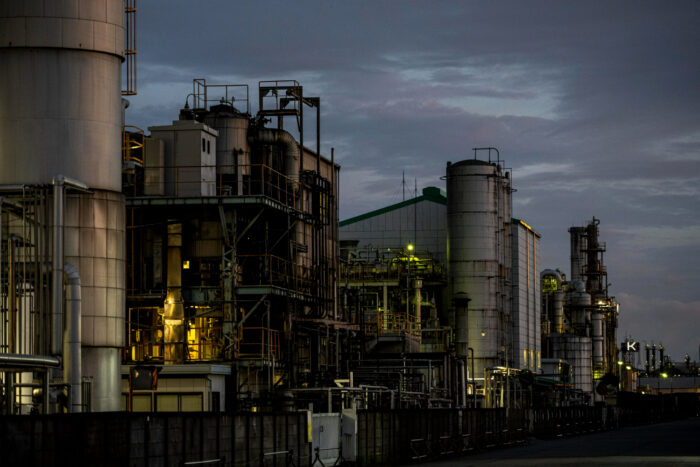
A high-capacity, fully equipped oil refinery established in 2008.
2. Project Scope of Work
This project will be executed as a comprehensive, full-lifecycle turnkey solution, encompassing:
Pre-FEED & FEED (Front-End Engineering Design):
Developing conceptual and detailed system architecture.
Defining operational philosophies and control narratives.
Performing site surveys and “As-Is” system analysis.
Detailed Engineering:
Full hardware, network, and VFD integration design.
Control cabinet and panel engineering.
I/O list and instrument index generation.
Complete software application development (PLC/SCADA/VFD).
Procurement:
Sourcing and supply of all specified hardware, software, VFDs, and licenses.
Erection & Commissioning (E&C):
Site installation and supervision of all control systems and drives.
Factory Acceptance Testing (FAT) and Site Acceptance Testing (SAT).
System commissioning, startup, and operational handover.
3. Core Technical Domain
The project scope is focused on the DCS, Automation, Motor Control, and Data Transmission systems, providing a modern, integrated, and optimized control solution.
4. VFD (Variable Frequency Drive) Integration
A key objective of this modernization is to enhance process control and energy efficiency through the strategic application of VFDs on critical rotating equipment.
Application: VFDs will be engineered for and integrated with large-scale assets such as:
Crude oil transfer and booster pumps
Process fluid pumps (e.g., in distillation or cracking units)
Large-scale air-cooler fans and cooling tower fans
Compressors
Benefits:
Precise Process Control: VFDs will allow the control system to precisely regulate flow, pressure, and temperature by adjusting motor speed, rather than relying on inefficient and high-wear control valves.
Energy Optimization: Provides significant energy savings by running pumps and fans at the exact speed required by the process, eliminating wasted energy.
Asset Protection: Reduces mechanical stress on motors and driven equipment (pumps, gearboxes) via soft-starting and stopping, extending equipment lifespan.
5. Control System Architecture
The technical solution will be engineered based on the Siemens TIA Portal platform, ensuring high performance and seamless integration between the PLCs, SCADA, and VFDs.
Process Control Units: 14 x Siemens SIMATIC S7-1500 Series PLCs.
System Reliability: High-availability, redundant CPU configurations will be implemented to ensure continuous process operation and bumpless transfer.
Supervisory Control (HMI/SCADA): A facility-wide Siemens WINCC SCADA platform will be developed for all operational monitoring, alarming, and data logging.
Field Communication: The system will utilize Profinet for high-speed, backbone communication (PLC-to-PLC and PLC-to-SCADA). It will integrate with new and existing field instrumentation, as well as the newly installed VFDs, via the Profibus-DP fieldbus protocol.